Protection and Visibility Features of Window Mesh Screens
Release time:2026-01-20 Click:25
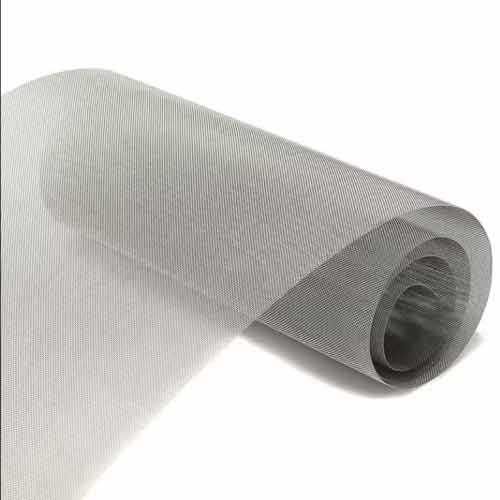
Window mesh screens are an essential architectural feature that balances the need for fresh air with the requirement for protection against insects and debris. Typically made from fiberglass, polyester, or stainless steel wire, the mesh is woven into a fine grid that allows airflow while blocking the entry of mosquitoes, flies, and other pests. This is particularly important in regions with tropical climates or during summer months when open windows are necessary for cooling. The transparency of the mesh ensures that the view from the window is not significantly obstructed, preserving the aesthetic connection between the interior and exterior of a building.
The durability of modern window mesh has improved significantly with the introduction of PVC-coated fibers. Traditional fiberglass mesh can fray or tear if impacted, but PVC coating binds the fibers together, creating a tougher, more resilient barrier. This coated mesh is also resistant to UV radiation, preventing it from becoming brittle and cracking under prolonged sun exposure. For homes in coastal areas, stainless steel or marine-grade aluminum mesh is preferred because it offers superior resistance to saltwater corrosion, ensuring that the screen remains functional and visually appealing for many years without rusting or sagging.
From a safety perspective, window mesh acts as a secondary barrier against falls and intruders. While not designed to stop forced entry, security mesh made from woven stainless steel can deter casual intruders and prevent children or pets from accidentally falling out of open windows. Some specialized meshes are also designed to withstand high winds and flying debris during hurricanes or storms, acting as a shutter alternative that still allows light and air to pass through. In high-rise buildings, the use of mesh screens is often mandated by building codes to prevent objects from being dropped or blown out of windows.
Maintenance of window mesh is relatively simple but essential for longevity. Dust and pollen can accumulate on the mesh, reducing airflow and visibility. Regular cleaning with a soft brush or vacuum cleaner attachment keeps the pores open. If the mesh becomes torn, repair kits with adhesive patches or spline rollers are readily available for DIY fixes. The frames holding the mesh, usually made of aluminum or vinyl, must also be inspected for warping, as a bent frame will prevent the screen from sitting flush and may cause the mesh to tear again. As smart home technology integrates with building materials, retractable window mesh systems are becoming popular, allowing homeowners to hide the screens when not in use to maximize the view and natural light.
Previous article:Enhance Home Ventilation with a Retractable Window Screen
Next article:Magnetic Window Screen: Fine Mesh
Hot products
Mobile: +86 13253222720
Email:metalproducts2026@163.com
Email:2671275026@qq.com