Residential Window Screen: Protect Interiors from Sun Damage
Release time:2026-03-07 Click:16
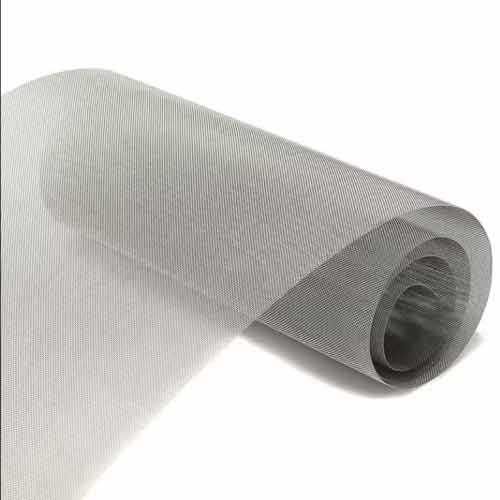
Residential window screen is a practical, cost-effective home improvement product designed to protect interiors from sun damage while enhancing ventilation, insect protection, and privacy. Constructed from durable materials such as fiberglass, aluminum, or polyester, the screen features a fine mesh that blocks harmful UV rays, reduces glare, and prevents fading of furniture, flooring, and upholstery—common consequences of prolonged sun exposure. Unlike heavy drapes or tinted windows that block natural light and restrict airflow, residential window screens allow fresh air to circulate while filtering sunlight, creating a comfortable, bright indoor environment. Their versatile design makes them suitable for all types of residential windows, including casement, double-hung, sliding, and awning windows.
The key advantage of residential window screens lies in their exceptional sun protection and light filtering capabilities. The fine mesh is engineered to block up to 90% of harmful UV-A and UV-B rays, which are responsible for fading wood, carpet, fabric, and artwork. This protection preserves the appearance and lifespan of interior furnishings, saving homeowners the cost of premature replacement. Additionally, the mesh reduces glare from sunlight, making it easier to watch TV, work on computers, or read without straining the eyes. Unlike window tinting that can make rooms feel dark or unnatural, window screens maintain natural light levels while softening the intensity of the sun, creating a more pleasant indoor atmosphere. The screens also help regulate indoor temperatures by blocking solar heat gain, reducing air conditioning costs during hot summer months.
Insect protection and ventilation are core strengths of residential window screens, enhancing comfort and livability. The fine mesh acts as a barrier against mosquitoes, flies, bees, and other insects, allowing homeowners to open windows and enjoy fresh air without the annoyance of bugs. This is particularly beneficial during spring and summer, when insect activity is high and natural ventilation is preferred over air conditioning. Unlike bug zappers or chemical repellents that are noisy or potentially harmful, window screens provide a safe, passive insect control solution. The mesh design also allows for maximum airflow, improving indoor air quality by reducing stale air and humidity. Unlike closed windows or airtight blinds, window screens promote cross-ventilation, creating a healthier living environment.
Durability and ease of maintenance further enhance the value of residential window screens. Fiberglass screens are lightweight, flexible, and resistant to rust, corrosion, and UV damage, while aluminum screens offer superior strength and durability for high-traffic areas or homes with children or pets. Polyester screens are tear-resistant and easy to clean, making them ideal for homes in dusty or pollen-heavy areas. Most window screens are easy to install and remove, with options for custom sizing to fit non-standard windows. Maintenance requirements are minimal: occasional cleaning with a soft brush, vacuum, or mild soap and water to remove dust, pollen, or debris. Unlike window treatments that require frequent washing or replacement, residential window screens are long-lasting and low-maintenance, providing years of reliable sun protection, insect control, and ventilation. For homeowners seeking a simple, effective way to protect their interiors while enhancing comfort, residential window screens are an indispensable home improvement accessory.
Previous article:Apartments Window Screen Privacy Protection Design
Next article:no more
Hot products
Mobile: +86 13253222720
Email:metalproducts2026@163.com
Email:2671275026@qq.com