Insect Protection Through Fine Mesh Fly Screen
Release time:2026-03-12 Click:10
Fly screen represents an essential component of habitable buildings in climates where flying insects pose ongoing challenges to comfort, health, and quality of life. These fine mesh barriers allow fresh air and natural ventilation to flow through open windows and doors while blocking the mosquitoes, flies, and other pests that might otherwise invade interior spaces. Beyond simple comfort considerations, fly screen installations contribute significantly to disease prevention in regions where insect-borne illnesses represent serious public health threats. The technology has evolved considerably since early implementations, with modern fly screen products offering improved durability, enhanced aesthetics, and specialized designs for various installation scenarios. From simple window inserts to sophisticated retractable systems, fly screen solutions provide flexible options for integrating insect protection into virtually any building configuration.
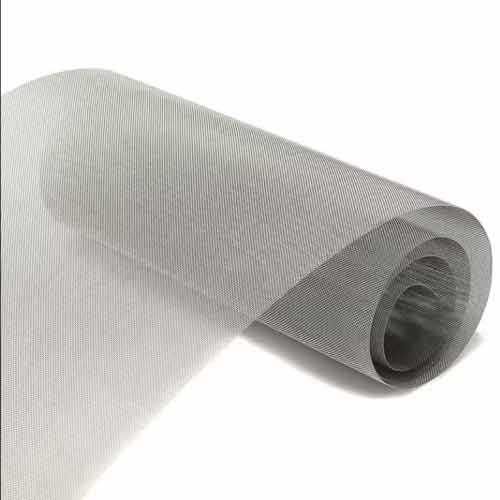
The construction of quality fly screen products involves careful selection of mesh materials and frame components that balance protection effectiveness with durability and visual appeal. Mesh materials range from traditional fiberglass and aluminum to modern synthetic polymers that offer improved UV resistance and tear strength. Mesh density is measured in threads per inch or centimeter, with finer meshes providing better insect protection while potentially reducing airflow and visibility. Standard mesh openings are sized to block mosquitoes and house flies while allowing adequate ventilation, with specialized "no-see-um" mesh available for regions where smaller biting insects require finer filtration. Frame materials typically include aluminum, vinyl, or wood, with powder-coated or anodized finishes providing corrosion resistance and color coordination options. Quality fly screen products incorporate spline systems that securely retain the mesh within frame channels, maintaining tension and preventing the sagging that compromises protection effectiveness.
The benefits of implementing fly screen protection extend beyond the obvious insect exclusion to encompass comfort, health, and energy management advantages that improve building performance. Natural ventilation through open windows with fly screen protection reduces reliance on mechanical air conditioning, decreasing energy consumption and associated costs while providing the health benefits of fresh air circulation. Sleep quality improves in naturally ventilated spaces, particularly in warm climates where closed windows and running air conditioning can create uncomfortable sleeping conditions. Disease prevention represents perhaps the most significant benefit, as fly screen installations have been demonstrated to significantly reduce incidence of mosquito-borne illnesses including malaria, dengue fever, and Zika virus. The psychological benefits of insect-free living spaces also contribute to overall wellbeing, eliminating the constant awareness of potential insect intrusion that characterizes unprotected openings. Additionally, fly screen protection prevents larger pests including birds and bats from entering through windows, addressing concerns beyond simple insect control.
Installation of fly screen systems ranges from simple DIY projects to complex professional installations depending on the product type and building configuration. Window fly screens are available in custom-sized ready-made formats or as kits that can be trimmed to fit specific window dimensions during installation. Proper installation requires accurate measurement of window openings and selection of appropriate fly screen products that provide adequate coverage without interfering with window operation. Retractable fly screen systems require more complex installation including mounting tracks and housing components that enable smooth operation of the screen mechanism. Door fly screens may utilize hinged, sliding, or magnetic closure systems depending on the door configuration and desired convenience features. Quality installation technique ensures tight fits at all edges, smooth operation of moving components, and secure attachment that will withstand regular use without degradation. Professional installation services are available for complex configurations or for property owners who prefer expert handling of their fly screen requirements.
Property owners in insect-prone regions should give fly screen installation serious consideration as essential investments in comfort, health, and building functionality. The relatively modest cost of quality fly screen systems provides substantial returns through improved comfort, reduced energy costs, and disease prevention benefits that cannot be easily quantified. Working with fly screen suppliers who offer comprehensive product ranges ensures appropriate solutions for different window and door configurations throughout the property. Understanding available options including fixed, retractable, and magnetic closure designs enables selection of products that best match specific functional requirements and aesthetic preferences. Regular maintenance including mesh cleaning and frame inspection maintains protection effectiveness over the installation's service life. Implementing fly screen solutions creates healthier, more comfortable indoor environments that support wellbeing and quality of life for building occupants.
Previous article:Insect Protection Provided by Window Screen Net
Next article:Balancing Ventilation and Pest Control: Window Screen Aluminum Systems
Hot products
Mobile: +86 13253222720
Email:metalproducts2026@163.com
Email:2671275026@qq.com