The Design of an Insect Screen
Release time:2026-01-25 Click:26
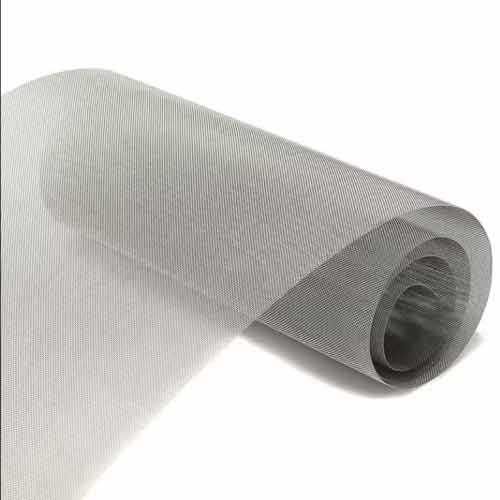
The battle against unwanted pests is a constant challenge in both residential and agricultural settings. The Insect Screen serves as a passive yet highly effective defense mechanism, allowing air and light to pass through while blocking flies, mosquitoes, gnats, and other nuisance insects. These screens are typically made from woven mesh of fiberglass, polyester, or stainless steel, stretched tightly over windows, doors, or vents. The mesh size is calibrated to be small enough to stop specific pests—usually ranging from 18x16 to 20x20 mesh—while maintaining adequate airflow to prevent the space from feeling stuffy.
The material choice for an Insect Screen depends heavily on the environment and the desired lifespan. Standard fiberglass mesh is inexpensive and flexible, making it easy to install in standard window frames. However, it can tear easily and is susceptible to damage from UV exposure over time. Polyester screens offer greater strength and durability, resisting sagging and tearing better than fiberglass, and are often used in high-traffic areas or pet doors. For maximum longevity and visibility, stainless steel or "insect-proof" bronze mesh is used. These metal screens are rigid, fire-resistant, and virtually indestructible, making them ideal for historic buildings or areas with aggressive pests like sand flies or no-see-ums.
One of the critical features of an Insect Screen is its ability to maintain visibility and ventilation. A poorly designed screen can obstruct the view and reduce air circulation, leading to a dark, stagnant room. Modern screens use finer threads and specialized weaves (like "no-see-um" mesh) that are almost invisible from a distance. Retractable screen systems allow homeowners to hide the mesh when not needed, preserving the architectural lines of a patio or porch. In agricultural applications, such as greenhouses, the screen must balance pest exclusion with the need for pollination, sometimes using "exclusion nets" that are fine enough to block pests but allow beneficial insects to pass.
Installation of an Insect Screen requires precision to ensure it stays in place and functions correctly. For windows, the screen is usually set into a groove or held by spline (a flexible cord) pressed into a channel. Tension is crucial; a loose screen will flap in the wind, creating noise and potentially tearing, while a screen that is too tight may warp the frame. Magnetic screens, which use embedded magnets to seal against a metal frame, have become popular for French doors and sliding patios because they allow for easy passage while snapping shut automatically behind the user. This "hands-free" feature is particularly valuable in busy households or commercial spaces.
Maintenance of an Insect Screen is relatively simple but necessary to preserve its integrity. Dust and pollen can clog the mesh, reducing airflow and making the screen look dirty. Regular vacuuming with a brush attachment or gentle washing with mild soap and water restores its function. Holes or tears should be repaired immediately using screen patch kits or adhesive tape to prevent pests from exploiting the breach. In areas with heavy pollen or construction dust, the screen may need to be cleaned more frequently. It is also important to trim vegetation touching the screen, as plants can push against the mesh and create gaps or retain moisture that leads to mold growth on the frame.
Previous article:Effortless Ventilation with Casement Windows Screen
Next article:Balancing Ventilation and Protection with Window Mesh
Hot products
Mobile: +86 13253222720
Email:metalproducts2026@163.com
Email:2671275026@qq.com