How Window Screens Provide Ventilation and Protection
Release time:2025-11-23 Click:51
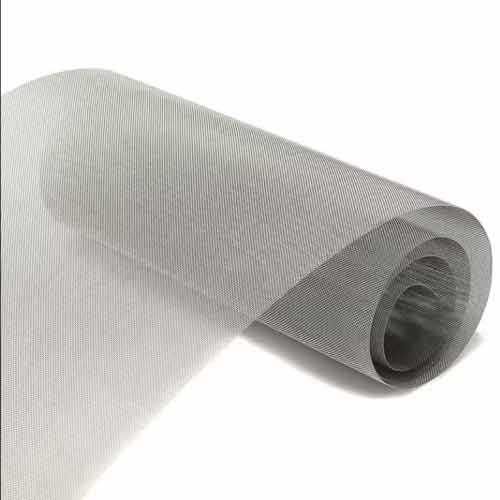
Window screens serve as essential architectural components that bridge the gap between indoor comfort and outdoor environmental conditions, utilizing precise mesh engineering and frame design to optimize airflow while providing effective protection against insects, debris, and airborne particles. The mesh material typically utilizes fiberglass with 18 x 16 thread count per square inch for standard applications, creating 0.04 x 0.06 inch openings that effectively block insects larger than 1/16 inch while permitting air flow rates exceeding 700 cubic feet per hour per square foot of screen area.
Alternative mesh configurations include 20 x 20 count for enhanced particle protection, creating 0.032 x 0.032 inch openings suitable for pollen filtration, and 12 x 12 count for heavy-duty applications requiring enhanced durability. The fiberglass yarn construction utilizes vinyl-coated fiberglass with 0.28mm diameter threads providing tensile strength exceeding 40,000 PSI while maintaining flexibility for tensioning and installation. Aluminum mesh options provide enhanced durability with 0.020 inch diameter wire in 16 x 14 count configuration, offering superior resistance to damage from impact and weather exposure. The coating systems include PVC and acrylic formulations with UV stabilizers preventing degradation from solar exposure, with outdoor service life exceeding 15 years for quality installations.
Frame construction employs roll-formed aluminum meeting ASTM B221 specifications for 6063-T5 alloy, providing superior strength-to-weight ratios while maintaining corrosion resistance through anodized or painted finishes. Frame profiles utilize wall thickness of 0.024 inches for standard applications and 0.032 inches for high-stress areas including corners and hardware attachment points. Corner construction employs mitered cuts with mechanical interlocking joints secured through crimping or mechanical fasteners, creating rigid frameworks with diagonal deflection limited to 1/2 inch under normal installation conditions.
Spline tensioning systems utilize vinyl spline material with durometer hardness of 65 ± 5 Shore A, providing secure mesh retention while allowing for future replacement and repair. Installation methods include aluminum frame clips providing tool-free removal for cleaning, built-in installation fins for attachment to window frames, and adjustable mounting systems for applications requiring precise fit adjustments. Performance testing validates mesh integrity through 200-hour UV exposure testing demonstrating less than 1% tensile strength reduction, wind load testing supporting pressures up to 80 mph equivalent velocities, and insect penetration resistance testing confirming zero penetration by mosquitoes, flies, and similar-sized insects. Airflow characteristics measured through ASHRAE Standard 70 protocols demonstrate ventilation rates of 3-5 air changes per hour for typical residential applications, providing adequate fresh air supply while maintaining energy efficiency through controlled infiltration management. These engineered systems provide optimal indoor environmental quality by balancing ventilation requirements with protection needs, contributing to energy efficiency through natural cooling while maintaining insect-free comfort in residential and commercial buildings.
Previous article:Advantages of Fiberglass Window Screening in the Building and Decorative Materials Industry
Next article:Shapes of Stainless Steel Honeycomb Panels
Hot products
Mobile: +86 13253222720
Email:metalproducts2026@163.com
Email:2671275026@qq.com