Residential Window Screens: Keep Insects Out While Letting Fresh Air In
Release time:2025-12-06 Click:37
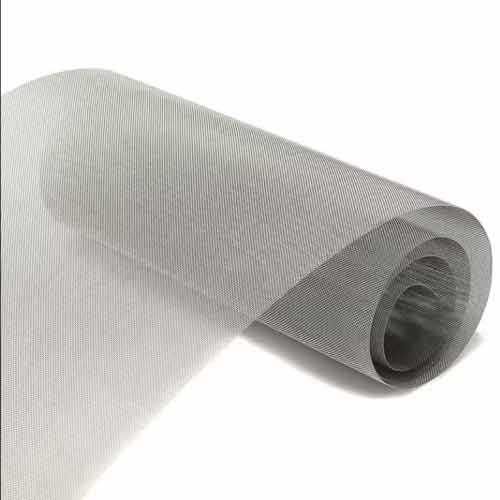
Residential window screens are essential yet often overlooked components that enhance livability by allowing homes to enjoy natural ventilation without the nuisance of insects, leaves, and debris. They consist of a fine mesh fabric, typically made from fiberglass, aluminum, or polyester, stretched taut and secured within a rigid frame that fits snugly into a window opening. This simple barrier acts as a selective filter, permitting fresh air and light to enter freely while blocking the passage of pests such as mosquitoes, flies, and gnats, thus promoting a healthier and more comfortable indoor environment.
The mesh material is key to performance and durability. Fiberglass mesh is the most common choice due to its flexibility, resistance to corrosion, and affordability; it is also typically coated with PVC for added strength and color (usually black or gray). Aluminum mesh is stronger and more resistant to tearing and punctures, making it suitable for homes with pets or in areas with larger insects, but it is more prone to denting and can oxidize over time. Newer options like solar screens use a denser polyester mesh to block a significant portion of solar heat gain while still allowing airflow, improving energy efficiency.
The screen frame, usually constructed from aluminum, vinyl, or wood, provides structural integrity. Aluminum frames are lightweight, durable, and low-maintenance, often featuring corner keys or splines for a tight mesh attachment. Vinyl frames offer excellent resistance to weathering and require no painting, making them a popular low-maintenance option. Wood frames, while less common today, provide a classic aesthetic but require regular sealing or painting to protect against moisture. The screen assembly is typically held in place by a friction fit, spring-loaded clips, or a dedicated track system within the window sash.
Maintenance is straightforward but important for longevity. Screens should be periodically removed and gently cleaned with mild soap and water to remove dust, pollen, and grime that can reduce airflow and visibility. The mesh should be inspected for small tears or holes, which can be easily repaired with clear silicone adhesive or a patch kit. Proper storage during winter months (if removable) can extend their life by protecting them from harsh weather and physical damage.
In summary, residential window screens are a simple, cost-effective solution that bridges the gap between indoor comfort and the outdoor environment. They enable energy-saving natural cooling, improve indoor air quality, and protect inhabitants from insect-borne irritants and diseases. As a vital component of a well-ventilated home, they quietly contribute to daily comfort, health, and overall quality of life.
Previous article:Solar Control Window Screen
Next article:The Importance of a Well-Fitted Window Screen
Hot products
Mobile: +86 13253222720
Email:metalproducts2026@163.com
Email:2671275026@qq.com