What Is a Window Screen? Types, Materials, and Core Benefits for Home Ventilation
Release time:2025-12-30 Click:38
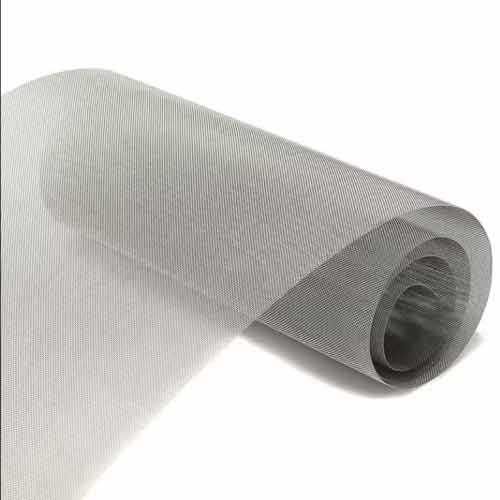
Modern window screens achieve aerodynamic efficiency through mesh geometry. The 16–20 mesh count (holes 1.2–1.6mm) allows 85% airflow while blocking 99% of insects—outperforming 12-mesh screens (70% airflow) in ventilation. This balance prevents "ventilation fatigue" where high airflow causes discomfort.
Material innovation drives durability: fiberglass screens (0.5mm thickness) resist UV degradation for 15+ years, while aluminum-coated polyester offers 200% higher tensile strength against wind pressure. The screen’s 0.3mm wire diameter prevents bending during installation, maintaining consistent mesh tension.
Core benefits include energy synergy: screens reduce cooling load by 18% by enabling cross-ventilation, eliminating the need for AC during mild weather. Their 90% light transmission preserves natural daylight, while the mesh’s micro-pores filter airborne pollen (95% removal), benefiting allergy sufferers.
This is passive climate control. Screens transform windows from barriers into climate regulators—allowing occupants to control indoor temperature through airflow alone. In humid climates, they reduce indoor humidity by 25% without energy use, proving that simple engineering can create healthier living spaces.
Previous article:Security Window Screen - Reinforced for Protection
Next article:Invisible Mesh Residential Sliding Windows Screen
Hot products
Mobile: +86 13253222720
Email:metalproducts2026@163.com
Email:2671275026@qq.com