The Science of Window Screen Design: Balancing Airflow, Light Transmission, and Durability
Release time:2026-01-03 Click:35
Window screens serve a vital function in modern homes, allowing fresh air to circulate while keeping insects and debris out. The science of window screen design is a balancing act between three competing demands: airflow, light transmission, and durability. An ideal screen provides maximum ventilation with minimal obstruction, allows natural light to enter without significantly dimming the room, and withstands environmental stressors like UV exposure and physical impact. Achieving this balance requires careful selection of materials and mesh geometry.
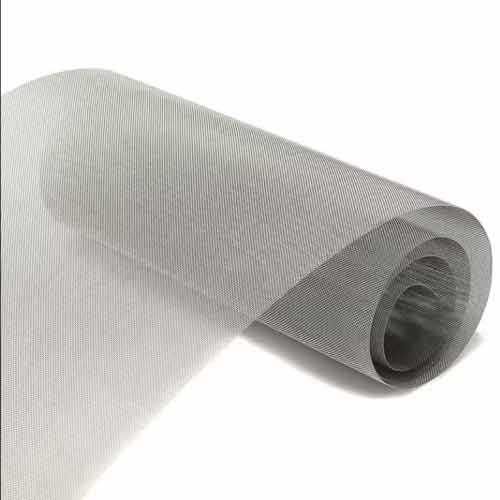
Airflow is arguably the most critical functional aspect of a screen. The open area of the mesh—the percentage of empty space relative to the wire strands—determines how easily air passes through. Standard window screens typically use fiberglass or aluminum mesh with a tight weave to exclude tiny insects like no-see-ums. However, a tighter weave naturally restricts airflow and can impede the breeze entering a room. Designers must balance the aperture size with the need for ventilation; larger openings allow more air but may let in smaller pests, requiring a compromise based on the local environment.
Light transmission is the second pillar of screen design. Materials used in screens must be as transparent as possible to preserve the view and the brightness of the interior. Aluminum mesh is known for its excellent visibility and strength, while fiberglass tends to be slightly more opaque. Newer innovations, such as stainless steel micro-mesh or high-visibility pet-resistant screens, aim to maintain high light transmission while offering superior strength. The thickness and diameter of the wire strands directly influence how much light is diffused or blocked; finer strands generally allow for better visibility but may be more fragile.
Finally, durability ensures that the screen performs its function over time without tearing or sagging. The screen must resist the fading effects of the sun, the corrosiveness of rain, and the abrasion of cleaning. Materials like aluminum are naturally corrosion-resistant and durable, while vinyl-coated fiberglass offers flexibility and resilience against pets that might scratch or push against the screen. By engineering a mesh that optimally balances airflow and light with robust construction, manufacturers provide a solution that enhances home comfort and energy efficiency, proving that even the most mundane household items are rooted in scientific principles.
Previous article:Magnetic Roll-Up Window Screen for Quick Installation Without Drilling
Next article:Apartments Window Screen Ventilation Enhancement
Hot products
Mobile: +86 13253222720
Email:metalproducts2026@163.com
Email:2671275026@qq.com