A Critical Safety Layer: School Classroom Windows Screen
Release time:2026-01-09 Click:31
The installation and maintenance of window screens in school classrooms represents a critical yet often overlooked component of creating safe, healthy, and productive learning environments for students and educators. Window screens serve multiple essential functions including insect exclusion, particulate filtration, and fall prevention, each contributing to the health, safety, and comfort of building occupants. In educational facilities, where large numbers of children spend extended periods in enclosed spaces, proper window screen installation and maintenance takes on particular importance for both regulatory compliance and parental confidence. The role of window screens extends beyond simple functionality to include considerations of fire safety, accessibility, and environmental quality that make them essential components of school building design and operation.
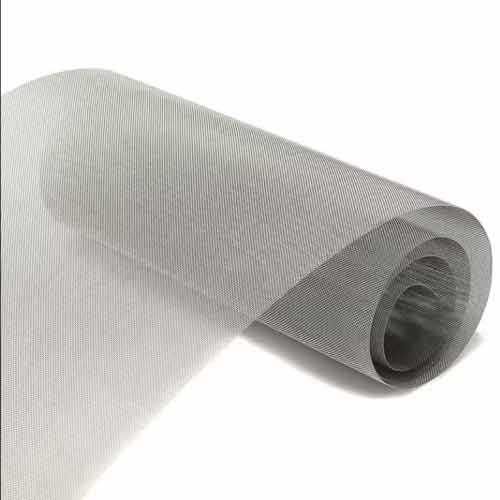
Insect exclusion represents the most traditional function of window screens, preventing the entry of mosquitoes, flies, and other insects that can transmit diseases, cause allergic reactions, and create distractions in learning environments. In many regions, mosquitoes capable of transmitting diseases such as West Nile virus, Zika virus, and various encephalitis strains are endemic, making insect-proof screens essential for protecting vulnerable student populations. Flies and other flying insects can contaminate food service areas and spread bacteria in classroom environments. Screen mesh specifications for insect exclusion should balance effective barrier performance with adequate air flow and visibility, typically using fiberglass or aluminum mesh with openings in the range of eighteen by sixteen threads per inch. Proper screen installation ensures complete coverage of operable window openings without gaps around frame edges that would permit insect entry.
Fall prevention represents a critical safety function of window screens in school buildings, where young children may be tempted to climb on window sills or attempt to exit through open windows. Building codes increasingly recognize the fall hazard posed by open windows in educational and childcare facilities, with requirements for window fall prevention devices including screens that can resist specified impact forces. Screen frames and mesh must be capable of supporting the weight of a child falling against them without dislodging or breaking, preventing falls from upper-story windows that could result in serious injury or death. Screen hardware including clips, latches, and friction devices must maintain attachment under impact loads and should not be removable by young children without tools. This fall prevention function elevates window screens from optional accessories to essential safety components requiring careful specification and installation.
Air quality and ventilation considerations influence window screen specification in school buildings, where maintaining appropriate indoor air quality is essential for student health and cognitive performance. Screens that obstruct air flow too significantly can reduce the effectiveness of natural ventilation strategies that provide energy-efficient cooling and fresh air exchange. Mesh specifications should be selected to balance insect exclusion and particulate filtration with adequate air permeability for intended ventilation rates. Screen cleanliness affects air flow over time, as accumulated dust and debris reduce mesh open area and increase resistance to air passage. Maintenance protocols should include regular screen cleaning to maintain air quality and ventilation performance. In regions with significant outdoor air pollution, screens with finer mesh or electrostatic filtration capabilities may be specified to reduce particulate matter entry.
Fire and emergency egress requirements create important constraints on window screen design and operation in school buildings, as screens must not impede emergency evacuation or fire department operations. Fire codes typically require that windows in school classrooms be operable to provide emergency egress pathways, with screens designed to be quickly removed or opened without special tools. Magnetic or push-release hardware enables rapid screen removal in emergencies while maintaining secure attachment under normal conditions. Smoke ventilation functions may be served by operable windows and their screens, requiring coordination between screen design and building fire alarm and smoke control systems. Balancing safety functions including fall prevention with emergency egress requirements requires careful design attention to ensure that all safety objectives are met.
Maintenance and replacement programs ensure that window screens continue to provide their essential safety and comfort functions throughout the service life of school buildings. Regular inspection identifies damaged screens with tears, holes, or frame damage that would compromise insect exclusion and fall prevention functions. Cleaning schedules maintain screen appearance and air flow performance while addressing accumulated dust, pollen, and biological growth that may affect indoor air quality. Replacement programs address screens that have exceeded their service life or have been damaged beyond economical repair. Documentation of screen locations, specifications, and maintenance records supports facility management and regulatory compliance verification. Comprehensive window screen maintenance programs protect the safety and health investments that schools make in their building infrastructure.
Previous article:A Whisker of Fresh Air: Micro-Ventilation Bedrooms Window Screen
Next article:Superior Corrosion Resistance and Precision Filtration with Stainless Steel Wire Mesh
Hot products
Mobile: +86 13253222720
Email:metalproducts2026@163.com
Email:2671275026@qq.com