Controlling Light with Blind Screen
Release time:2026-01-15 Click:30
Modern architecture relies heavily on glass, but without proper covering, this can lead to issues with glare and heat gain. A blind screen refers to a system of slats, fabrics, or meshes designed to obstruct light, provide privacy, and regulate temperature. These can be installed internally within the double glazing of a window or externally as roller shutters or louvers. Internal blinds are popular for residential use due to their ease of operation and aesthetic versatility. They come in various materials like aluminum, PVC, or natural wood, each offering different levels of light filtration and insulation.
The mechanism of operation varies from manual cords to motorized systems. Venetian blinds use horizontal slats that can be tilted to control the angle of light entering the room, allowing for precise glare control while maintaining a view. Roller blinds offer a solid sheet of fabric that can be rolled up or down, providing complete blackout capabilities ideal for bedrooms or home theaters. Cellular (or honeycomb) blinds feature a unique folded structure that traps air in pockets, acting as an insulating layer that keeps heat in during winter and out during summer. This energy-efficient design can significantly reduce HVAC costs.
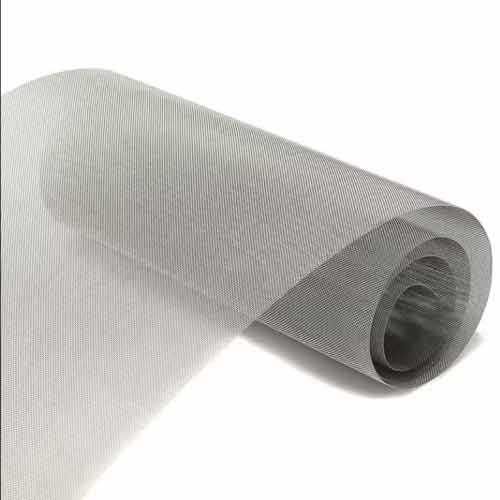
Material selection is driven by the specific needs of the room. In humid areas like bathrooms, PVC or faux wood blinds are preferred because they resist warping and moisture damage. Aluminum blinds are durable and fire-resistant, making them suitable for commercial buildings or kitchens. Fabric screens, often made of polyester or linen, add a soft, decorative touch but may fade over time if exposed to direct UV radiation. Solar screens are a specialized type of mesh that blocks UV rays and heat while preserving the outward view, a crucial feature for high-rise buildings where glare is a constant issue.
Maintenance of blind screens is generally simple but essential for longevity. Dusting should be done regularly using a feather duster or vacuum brush attachment to prevent grit from grinding into the moving parts. For fabric blinds, spot cleaning is recommended to avoid shrinking. Motorized blinds require occasional checking of the battery or wiring connections. The lifespan of a blind screen depends largely on the quality of the components; a cheap plastic mechanism may break after a few cycles, while a high-quality chain drive or tubular motor can last for years. As smart home technology integrates, blind screens are becoming automated, adjusting automatically based on the time of day or sunlight sensors to optimize comfort and energy use.
Previous article:Benefits of Fixed Window Screens
Next article:Breathing Barrier Against Winged Intruders: The Craft of Fly Screen
Hot products
Mobile: +86 13253222720
Email:metalproducts2026@163.com
Email:2671275026@qq.com