Versatile Screen Mesh for Filtration and Protection
Release time:2026-01-22 Click:20
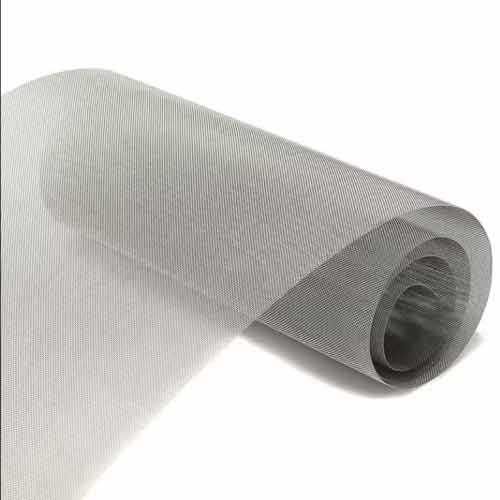
Screen mesh is a woven or welded material with uniform openings used for filtration, separation, insect control, and structural reinforcement. It is available in a vast array of materials, including stainless steel, brass, copper, nylon, and polyester, each selected for specific environmental conditions. The mesh count (number of openings per inch) and wire diameter determine the particle size that can be captured. For example, a 20-mesh screen has relatively large openings for gravel, while a 400-mesh screen can filter microscopic particles in pharmaceutical manufacturing. In architecture, screen mesh is used for sun shading, balcony infill, and decorative facades, providing privacy without blocking airflow.
The manufacturing process of screen mesh depends on the material and intended use. Woven mesh is created on looms where warp and weft wires are interlaced, offering flexibility and high open-area percentages (up to 90%). Welded mesh, as discussed earlier, provides greater rigidity and is used where structural strength is needed. Perforated metal sheets, while technically not "mesh," are often categorized similarly for screening purposes. For insect screens, fiberglass or polyester mesh is coated with PVC to resist UV degradation and tearing. The edge treatment is also crucial; selvedge edges prevent unraveling in woven meshes, while welded edges provide a clean finish for safety.
Installation of screen mesh requires appropriate framing and tensioning. For windows and doors, the mesh is typically rolled into a frame channel and secured with a spline (a flexible cord) pressed into a groove using a roller tool. Proper tension is vital; too loose and the mesh will sag and allow insects in, too tight and it may tear or distort the frame. In industrial filters, the mesh is clamped or gasketed between flanges. For architectural cladding, the mesh is riveted or welded to a sub-frame. In agricultural settings, such as greenhouse vents, the mesh must be secured against wind uplift. The choice of fastener (stainless steel nails, screws, or rivets) must match the mesh material to prevent galvanic corrosion.
Maintenance for screen mesh is generally low but depends on the application. Insect screens accumulate dust and pollen, which can be cleaned with a soft brush or vacuum. Tears should be repaired immediately with mesh patches or adhesive tape to prevent pest entry. Industrial filters require back-flushing or chemical cleaning to remove trapped solids. Outdoor architectural screens may need periodic washing to remove grime and salt deposits; stainless steel mesh can be pressure washed, but softer materials require gentle cleaning. If the mesh is painted or coated, touching up chips prevents rust. With proper care, screen mesh provides long-term functionality, whether keeping bugs out, filtering fluids, or adding a modern aesthetic to a building.
Previous article:Casement Windows Screen: Keep Insects Out, Let Light In
Next article:Delivering Strength and Precision Filtration with Stainless Steel Wire Mesh
Hot products
Mobile: +86 13253222720
Email:metalproducts2026@163.com
Email:2671275026@qq.com