A Guide to Installing Window Screen Magnetic Strips for a Perfect Seal
Release time:2026-02-08 Click:11
The battle against intrusive insects while maintaining fresh air circulation is a common challenge for homeowners, especially during the warmer months. Traditional screens often require cumbersome latches or are difficult to remove for cleaning, leading to frustration and damaged frames. The innovation of the window screen magnetic closure system has revolutionized this aspect of home maintenance. By embedding strong neodymium magnets into the screen frame and the window sill, these systems create an airtight seal that opens easily with a gentle push and snaps shut automatically. This technology is not just about convenience; it is about creating a barrier that is effective against microscopic pests while remaining user-friendly for children and pets.
The core mechanism of a window screen magnetic system relies on the precise alignment of magnetic poles. When the screen is manufactured, magnetic strips are sewn or glued along the perimeter of the mesh, which is typically made of fiberglass or polyester for durability and visibility. Corresponding magnetic tape is applied to the window frame. When the screen is brought close to the frame, the magnets attract each other with enough force to hold the screen firmly against wind pressure, yet the bond is weak enough to be broken by a slight push from the inside. This "hands-free" operation is a significant upgrade over spring-loaded clips that can rust or break over time. The magnetic seal ensures that even the smallest gaps are closed, preventing mosquitoes and gnats from entering.
One of the most praised features of the window screen magnetic design is its removability. Unlike fixed screens that require unscrewing for cleaning or storage during winter, magnetic screens can be detached in seconds. This is particularly beneficial for second-story windows or hard-to-reach areas where ladders are required. The mesh itself is often coated with a PVC or vinyl layer that resists tearing and UV degradation. Because the magnets do the work of holding the screen in place, there are no physical protrusions like handles that can snag clothing or scratch furniture. The sleek profile of a window screen magnetic unit allows it to blend seamlessly with modern window aesthetics, preserving the view and the architectural lines of the home.
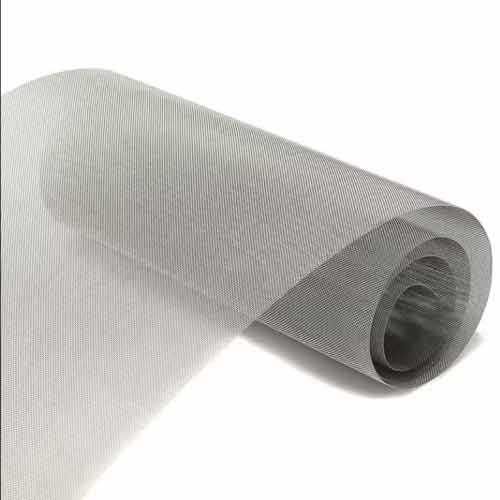
Installation of a window screen magnetic kit is a straightforward DIY project that typically requires no specialized tools. Most kits come with adhesive magnetic tape and a roll of screen mesh. The homeowner simply measures the window opening, cuts the mesh to size with a margin, and applies the magnetic tape to the window frame. The screen is then placed over the opening, and the magnetic strip is pressed onto the screen edge. The strength of the magnets is calibrated to ensure that the screen stays put during storms but can be removed without damaging the window finish. For renters, this is an ideal solution because it is non-destructive and can be taken to a new residence.
Beyond residential use, the window screen magnetic concept is being adapted for commercial and RV applications. In recreational vehicles, where weight and ease of use are paramount, magnetic screens provide a lightweight solution that doesn't rattle while driving. For patios and porches, heavy-duty magnetic screen doors offer an alternative to sliding glass doors, allowing for an open-air feeling without the energy loss of an open doorway. As smart home technology integrates with home maintenance, we may soon see window screen magnetic systems equipped with sensors that alert homeowners if the seal is broken or if the mesh has been torn, further enhancing home security and comfort.
Previous article:Durable Residential Sliding Windows Screen That Keeps Bugs Out
Next article:Privacy and Style Enhanced by a Functional Blind Screen
Hot products
Mobile: +86 13253222720
Email:metalproducts2026@163.com
Email:2671275026@qq.com