Balancing Ventilation and Protection with Retractable Fly Screen
Release time:2026-02-11 Click:9
In residential and commercial properties, maintaining a comfortable indoor environment often requires opening windows to let in fresh air. However, this invites insects, dust, and debris into the space. The fly screen (or insect screen) is a mesh barrier installed over windows and doors to block pests while allowing airflow. Modern fly screen systems have moved beyond simple fiberglass mesh to include retractable roller designs, magnetic seals, and heavy-duty aluminum frames that enhance durability and ease of use.
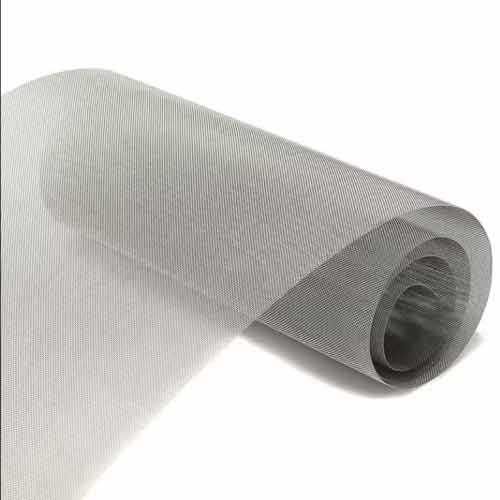
The material of the fly screen is crucial for its performance and longevity. Standard screens are made from woven fiberglass coated with PVC, which resists tearing and does not corrode. For better visibility and airflow, "no-see-um" mesh with a higher thread count is used to keep out tiny biting insects like midges. In areas with high pollen counts, specialized fly screen materials can act as an air filter, trapping allergens while still letting air pass through. For pet owners, "pet-proof" screens made from woven stainless steel or polyester are available to withstand claws and paws without ripping.
Installation of a fly screen can be a DIY-friendly project or a professional retrofit. Window kits typically include a frame that adheres to the window jamb and a spline roller tool to press the mesh into a groove. The fly screen for sliding doors often uses a magnetic closure system that allows hands-free passage; the magnets snap shut automatically behind the user, ensuring the barrier is never left open. French doors may require a double-door kit with a central mullion post. The lightweight nature of the fly screen means it does not put undue stress on the window hardware.
Aesthetics have become a major consideration in fly screen design. Unlike older models that obstructed the view with a coarse grid, modern screens use finer threads that are almost invisible from a distance. Retractable fly screen systems disappear into a cassette at the top of the window when not in use, preserving the architectural lines of the building. This is particularly important for historic homes or buildings with strict facade regulations. The fly screen can also be tinted or colored to match the window frame, blending seamlessly with the exterior design.
Beyond insect control, the fly screen serves as a safety barrier. It prevents children and pets from falling out of open windows while still providing ventilation. In high-security areas, stainless steel fly screen mesh can deter intruders and resist cutting. As urbanization increases and climate change brings new pest challenges, the fly screen remains an essential, low-tech solution that improves quality of life. It represents a perfect balance between being connected to the outdoors and being protected from its nuisances.
Previous article:Simplify Housekeeping with an Easy-to-Clean Hotel Room Window Screen
Next article:Enhance Your Home with Casement Windows Screen
Hot products
Mobile: +86 13253222720
Email:metalproducts2026@163.com
Email:2671275026@qq.com