Filter with Precision Using Screen Mesh
Release time:2026-02-16 Click:20
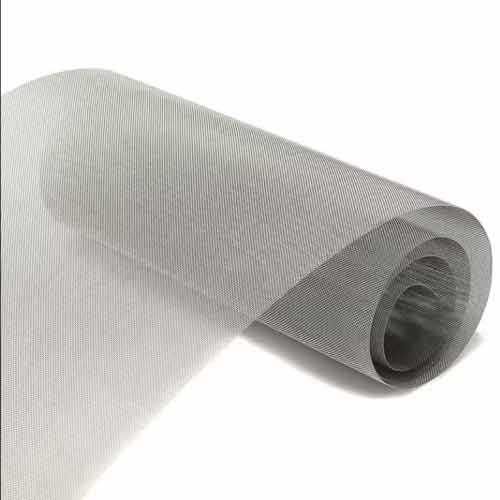
Screen mesh stands as the universal filter, using interwoven or welded strands to separate solids from fluids or classify particles by size across industries from brewing to aerospace. Its precision lies in the uniformity of its openings, which can range from coarse meshes for aggregate screening to micro-mesh for pharmaceutical purification, making it a cornerstone of quality control and process efficiency. For engineers, it is the tool that turns raw mixtures into refined outputs.
Crafted from stainless steel, nylon, polyester, or brass, screen mesh is tailored to resist chemicals, heat, and abrasion. Stainless steel mesh, with its high tensile strength, dominates industrial filtration, while nylon mesh excels in food processing for its flexibility and non-reactivity. Polyester mesh resists stretching, ideal for printing or dyeing textiles, and brass mesh, though less common, offers unique conductivity for EMI shielding. Mesh counts (threads per inch) define fineness: a 10-count mesh filters large debris from paint, while a 500-count mesh captures bacteria in lab samples. The weave—plain, twill, or Dutch—optimizes strength and flow: plain weave suits uniform particles, twill handles heavy loads, and Dutch weave traps fine particles in high-pressure systems.
Applications are as varied as the materials it filters. In brewing, it strains hops and sediment from beer, ensuring a clear pour. Water treatment plants use it to remove debris before purification, and oil refineries filter catalysts to maintain reaction efficiency. Pharmaceutical labs rely on sterile mesh to produce contaminant-free medications, and in construction, it separates sand by grain size for concrete mixing. Even in art, screen mesh enables silk-screen printing, transferring ink with sharp precision. Advanced meshes feature anti-clogging coatings or self-cleaning surfaces, extending lifespan in high-particulate environments.
Screen mesh proves that precision filtering is the unsung driver of quality across industries. It removes impurities, standardizes outputs, and enables processes that would otherwise be impossible. By investing in quality screen mesh, businesses ensure consistency, reduce waste, and uphold the stringent standards that define their products.
Previous article:Benefits of Installing Mosquito-Proof Window Screens at Home
Next article:Modern Aesthetics with Black Window Screen Solutions
Hot products
Mobile: +86 13253222720
Email:metalproducts2026@163.com
Email:2671275026@qq.com