The Evolution of Window Screen Net
Release time:2026-02-28 Click:11
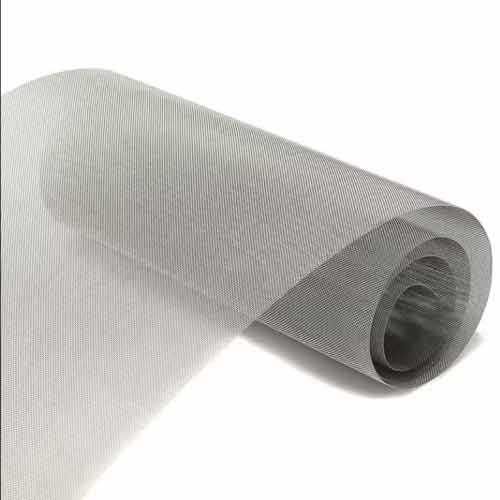
Window screen net has evolved from simple mosquito barriers to multifunctional tools that balance ventilation with protection, adapting to modern needs like UV resistance and energy efficiency. Made from fiberglass, aluminum, or synthetic fibers, window screen nets allow air and light to enter while blocking insects, debris, and even small animals. Innovations like retractable screens, solar screens, and antimicrobial coatings have expanded their applications beyond residential windows to commercial buildings and greenhouses. Understanding window screen net reveals its journey from utility to smart design.
Early window screen nets were made from cotton or linen, but modern versions use advanced materials. Fiberglass net is the most popular—lightweight, tear-resistant, and UV-stabilized, it lasts 10–15 years outdoors. Aluminum net is durable and rust-proof, ideal for coastal areas, but can dent. Synthetic nets (polyester, nylon) offer higher tensile strength and are used in high-traffic areas. Micron-rated nets (e.g., 20x20 mesh) block tiny insects like gnats, while larger meshes (18x16) allow better airflow. Coatings like PVC add water resistance, and antimicrobial treatments prevent mold growth.
Applications of window screen net extend beyond insect control. Solar screens (dark-colored, tightly woven) reduce solar heat gain by 30–50%, lowering cooling costs. Privacy screens (with one-way visibility) obscure views without blocking light. Pet screens (reinforced fibers) resist claw damage from cats and dogs. Greenhouse screens regulate temperature and humidity, protecting plants from pests. Commercial buildings use them on (curtain walls) to reduce glare. Even in agriculture, they cover livestock pens to keep out birds.
Advantages of window screen net over solid windows are significant. Ventilation is key—screens allow 70–90% airflow, preventing stuffiness in summer. Natural light enters unimpeded, reducing reliance on artificial lighting. Insect protection eliminates the need for chemical sprays. Solar screens cut energy bills, paying for themselves in 2–3 years. Retractable screens (mounted on tracks) offer flexibility—retracted when not needed. For allergy sufferers, fine-mesh screens block pollen.
Innovations in window screen net address emerging needs. Motorized retractable screens integrate with smart home systems, opening/closing via voice commands. Electrostatic screens attract dust, reducing cleaning frequency. Photovoltaic screens generate electricity from sunlight, powering small devices. Self-healing nets (with memory fibers) repair minor tears when exposed to heat. For historic homes, custom-sized screens match original window frames.
Installation and maintenance of window screen net ensure longevity. Installation involves measuring window dimensions, cutting the net to size, and securing it in a frame (aluminum or wood) with spline and a spline roller. For retrofit windows, magnetic frames attach to existing sashes. Maintenance includes rinsing with a hose to remove pollen, vacuuming with a soft brush, and patching small tears with repair tape. Replace screens every 5–10 years (sooner in harsh climates). As sustainability grows, recycled fiberglass screens are gaining popularity. Window screen net thus remains a vital, evolving component of comfortable living.
Previous article:Benefits of Installing a Retractable Window Screen in Your Home
Next article:UV-Resistant Roll-Up Window Screen for Sun Protection & Energy Saving
Hot products
Mobile: +86 13253222720
Email:metalproducts2026@163.com
Email:2671275026@qq.com