Product details description
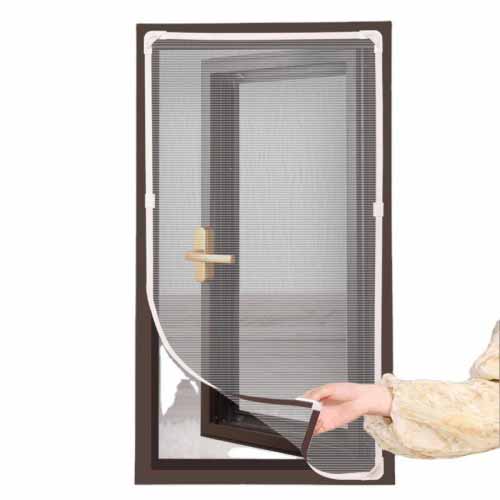
Window screens are essential for homes and buildings, providing protection
against insects, dust, and debris while allowing fresh air and natural light to
enter. The performance and durability of a window screen largely depend on the
material it is made from, making the selection of the right material crucial for
adapting to different climate conditions. Polyester, stainless steel, and copper
are among the most popular window screen materials, each offering unique
properties that make them suitable for specific weather patterns and
environmental challenges.
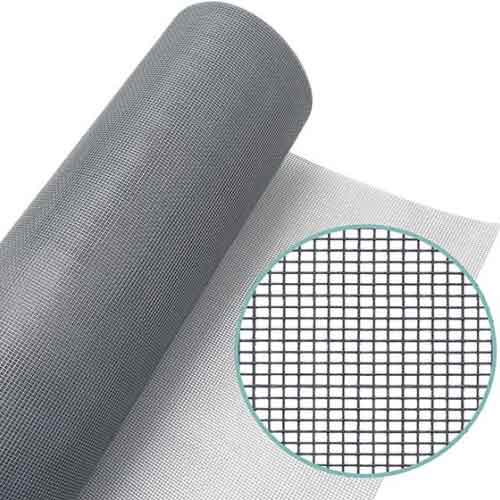
Polyester window screens are a versatile and cost-effective option, ideal
for moderate climates with mild temperatures and low humidity. This material is
known for its resistance to fading, mildew, and stretching, ensuring long-term
durability even when exposed to regular sunlight and occasional rain. Polyester
screens are also lightweight and easy to install, making them a popular choice
for residential applications. However, they may not be the best option for
extreme climates, as they can become brittle in very low temperatures and may
not withstand strong winds or heavy snow loads as effectively as metal
screens.
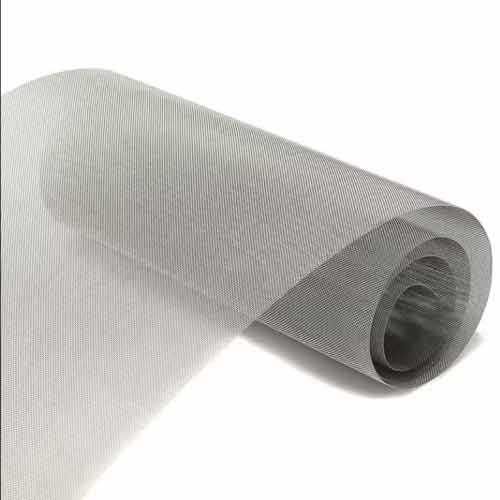
Stainless steel window screens are renowned for their strength and
durability, making them well-suited for harsh climates with extreme
temperatures, high winds, or coastal environments with saltwater exposure.
Unlike polyester, stainless steel is highly resistant to corrosion, rust, and
physical damage, ensuring it can withstand the elements for many years. This
material is also fire-resistant, adding an extra layer of safety to homes and
buildings. Stainless steel screens are available in various mesh sizes, allowing
for customization based on the level of insect protection needed. However, they
are heavier than polyester screens and may be more expensive, which can be a
consideration for budget-conscious consumers.
Copper window screens offer a unique combination of aesthetic appeal and
functional benefits, making them suitable for both moderate and humid climates.
Copper is naturally resistant to corrosion and mildew, making it an excellent
choice for areas with high humidity or frequent rain. Over time, copper screens
develop a distinctive patina, which adds a decorative touch to windows and
enhances the overall appearance of a building. Additionally, copper has natural
antimicrobial properties, helping to inhibit the growth of bacteria and mold.
However, copper screens are more expensive than both polyester and stainless
steel, and they are softer than stainless steel, making them more susceptible to
dents and scratches if not handled carefully.
When selecting a window screen material, it is essential to consider the
specific climate conditions of the area, as well as personal preferences for
durability, aesthetics, and budget. For moderate climates, polyester offers a
balance of performance and affordability. For harsh or coastal environments,
stainless steel is the most reliable choice for long-term durability. For those
seeking a unique aesthetic and antimicrobial properties in humid climates,
copper is an excellent option. By choosing the right material, homeowners and
building managers can ensure that their window screens provide effective
protection and lasting performance for years to come.
Previous article:
Adjustable Window Screen - Custom Fit for Any Window
Next article:
Window Screens for High-Rise Buildings