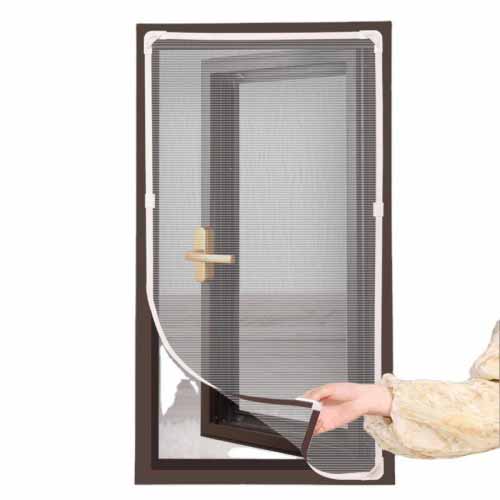
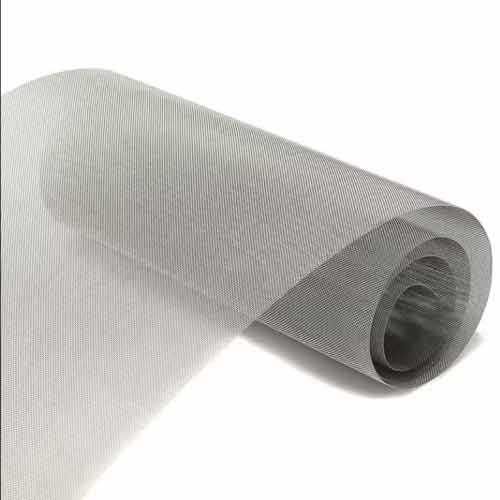
Product details description
Insect protection window screens serve as the first line of defense against
mosquitoes, flies, wasps, moths, and other nuisance pests while preserving
natural ventilation and unobstructed views. Modern screen materials—such as
fiberglass, aluminum, polyester, and stainless steel mesh—offer varying degrees
of durability, visibility, and insect exclusion based on mesh density, fiber
thickness, and frame construction. Fine-mesh screens with openings smaller than
18x18 threads per inch effectively block even tiny gnats and midges, while
heavier-duty options resist tearing from pets, branches, or hail impacts.
Airflow efficiency is a critical design parameter that balances pest
exclusion with indoor comfort. High-performance screens incorporate
micro-perforated or expanded metal mesh technologies that maximize open area
ratio (OAR) without compromising barrier integrity. Some advanced models feature
aerodynamic profiles or vented frames that channel breezes inward while
deflecting insects outward. In hot climates, screens with UV-resistant coatings
and heat-reflective finishes reduce solar heat gain, contributing to energy
savings and improved occupant comfort. Smart screens integrated with motorized
actuators or humidity sensors can automatically retract or adjust tension based
on weather conditions, optimizing airflow and protection dynamically.
Installation and maintenance practices directly influence screen
effectiveness. Frames must be securely mounted with weatherstripping to prevent
gaps around edges where insects can infiltrate. Regular cleaning with mild
detergent and water removes pollen, dust, and spider webs that can obstruct
airflow or harbor pests. Damaged screens should be replaced promptly to avoid
becoming breeding grounds for mosquitoes or entry points for rodents. For
multi-story buildings or high-wind zones, reinforced corner joints and
storm-resistant hardware ensure long-term structural stability.
Environmental and health considerations are increasingly shaping consumer
preferences. Screens made from recycled materials or biodegradable polymers
appeal to eco-conscious buyers, while antimicrobial-treated meshes inhibit mold,
bacteria, and allergen buildup—critical for allergy sufferers or asthma
patients. Certifications such as GREENGUARD Gold or ENERGY STAR validate low VOC
emissions and energy efficiency. As urbanization intensifies and vector-borne
diseases rise, insect protection screens are evolving from mere convenience to
essential public health infrastructure, safeguarding homes and workplaces
against disease transmission while promoting sustainable, breathable living
environments.
Previous article:
Window Screen Maintenance: Cleaning and Repair Best Practices
Next article:
Retractable Window Screens: How They Enhance Views and Ventilation When Needed