Product details description
Window screens are essential for insect protection without blocking
airflow, and choosing the right mesh size and frame ensures effectiveness and
durability. Mesh size is measured by the number of openings per inch (mesh
count); finer meshes (e.g., 18x16) exclude tiny insects like gnats and midges,
while coarser meshes (e.g., 14x14) offer better airflow and are suited for
larger insects. Balance is key—too fine a mesh impedes ventilation and collects
dirt faster.
Frame material affects strength and longevity. Aluminum frames are
lightweight, corrosion-resistant, and low-maintenance, ideal for most climates.
Steel frames are stronger but prone to rust unless galvanized. Vinyl-clad steel
combines strength with improved corrosion resistance. For historic or decorative
windows, wood frames offer aesthetic appeal but require regular painting or
sealing to prevent rot.
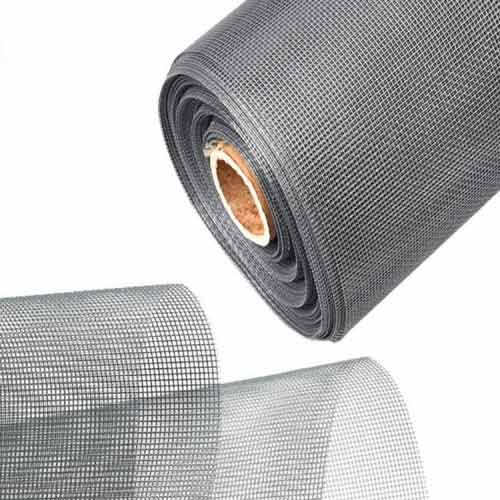
Mesh material must resist tearing and withstand environmental exposure.
Fiberglass mesh is economical, flexible, and rustproof, though it can be prone
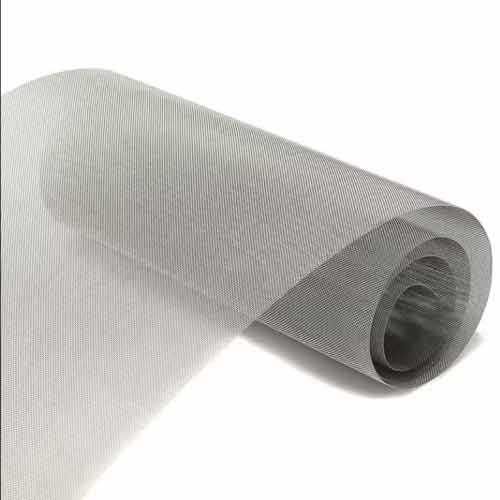
to stretching. Aluminum mesh is more durable and rigid, better for high-traffic
areas or pets, but can corrode in salty air. Polyester-coated options enhance
durability and UV resistance.
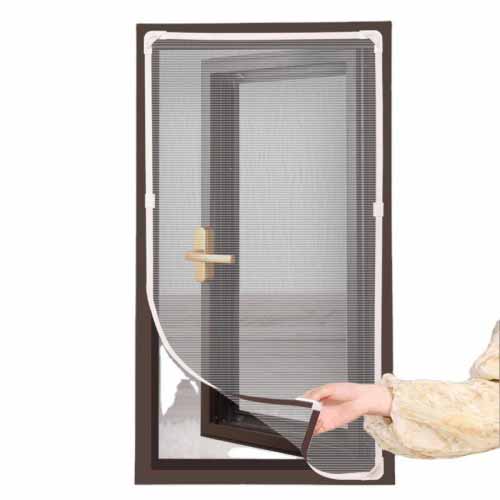
Fit and installation complete the selection. Accurate measurements prevent
gaps where insects enter. Retractable or sliding screens suit modern designs,
while fixed frames suit traditional windows. Consider ease of removal for
cleaning. Choosing the right mesh size and frame ensures comfortable ventilation
and reliable insect exclusion throughout the seasons.
Previous article:
Custom-Cut Window Screen - Perfect Size for Replacement
Next article:
How to Clean and Maintain Window Screens