Product details description
Choosing between fiberglass and aluminum for window screens involves
weighing their performance in key areas: durability, visibility, maintenance,
and cost. Both are common, but they serve slightly different needs and
preferences.
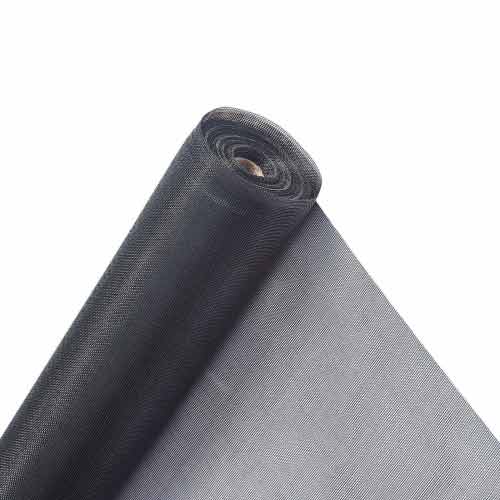
Fiberglass window screen mesh is woven from vinyl-coated fiberglass yarn.
Its primary advantages are flexibility, excellent visibility, and low cost. The
material is very pliable, making it easy to install and re-install in frames,
and it rarely kinks or dents. It has a smaller mesh size than standard aluminum,
which provides better protection against tiny insects like no-see-ums. The dark
gray or charcoal color offers good outward visibility with minimal glare.
Fiberglass is also non-corrosive, making it ideal for coastal or high-humidity
areas. The main drawback is lower durability against impact and abrasion; it can
puncture more easily than aluminum from pets, ladder contact, or sharp objects.
It may also sag over time in large frames if not properly tensioned.
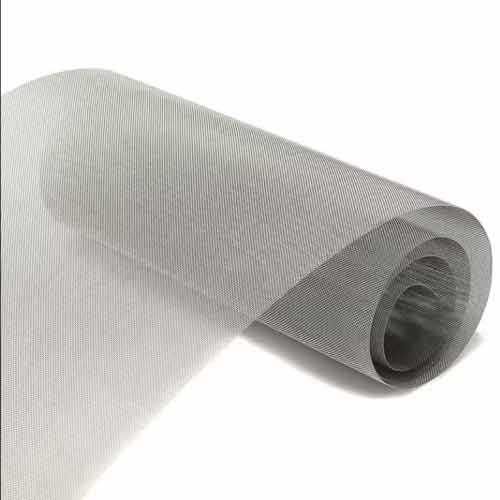
Aluminum window screen mesh is made from woven aluminum wire, typically
finished with a baked-on enamel coating (often charcoal or black). Its key
strengths are rigidity, durability, and resistance to punctures. It holds its
shape very well in large screens without sagging. It is more resistant to damage
from pets, branches, or accidental impacts. The baked-on coating enhances
corrosion resistance, though raw aluminum can oxidize. However, aluminum is less
flexible, making it slightly harder to install and more prone to creasing if
mishandled. It is generally more expensive than fiberglass. Over many years, the
coating can wear or chip, potentially leading to oxidation. Its visibility is
good, but the wire is thicker than fiberglass, which can make the grid pattern
more noticeable.
The cost comparison favors fiberglass, which is one of the most economical
screening options. Aluminum costs about 20-50% more, depending on the gauge and
coating. For corrosion resistance, both perform well in most climates due to
their coatings. However, in severe salt-air environments, fiberglass has a
theoretical edge as the vinyl-coated fiberglass yarn is inherently non-metallic
and non-corrosive. Aluminum's enamel coating provides robust protection but can
be compromised if scratched.
Choose fiberglass for budget-friendly projects, coastal homes, where
maximum visibility and easy handling are priorities, and for keeping out the
smallest insects. Choose aluminum for high-traffic areas, homes with pets, large
screens where sagging is a concern, or where maximum resistance to physical
damage is needed. Aluminum's rigidity and strength often justify its higher
price in demanding applications.
Previous article:
Enhancing Ventilation with Window Screen Frame
Next article:
How to Repair a Torn Window Screen: Patching Holes and Reinforcing Weak Spots