Keeps Bugs Out, Lets Fresh Air In – Aluminum Window Screen
Release time:2026-03-03 Click:20
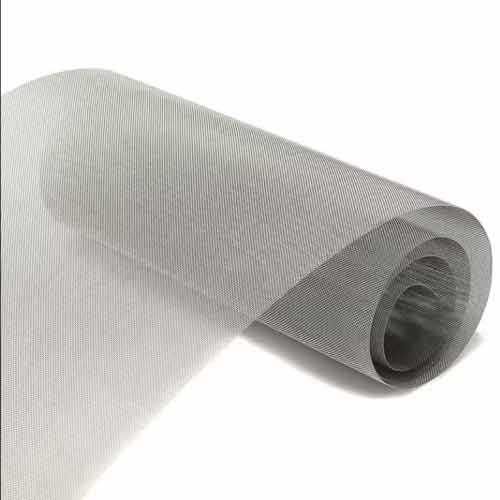
Aluminum window screens provide an optimal balance of protection, visibility, and airflow for residential and commercial buildings, creating an effective barrier against insects while maintaining natural ventilation and aesthetic appeal. These screens are constructed from aluminum wire woven into a mesh pattern that offers excellent durability and corrosion resistance, making them suitable for long-term outdoor exposure. The aluminum construction provides superior strength compared to fiberglass alternatives, resisting sagging, tears, and damage from weather exposure. Available in various mesh counts and finishes, aluminum window screens can be customized to accommodate different insect types, privacy requirements, and architectural styles while maintaining unobstructed views and maximum airflow.
The manufacturing process of aluminum window screens involves precision weaving techniques that create uniform mesh patterns with consistent opening sizes. Standard mesh counts range from 14 x 14 to 20 x 20 strands per square inch, with finer meshes (18 x 18 and higher) providing better insect protection while coarser meshes (14 x 14) offer improved visibility and airflow. Wire diameters typically range from 0.011 to 0.016 inches, with heavier gauges providing enhanced durability for high-traffic areas. The aluminum wire is typically alloy 5052 or 5056, offering excellent corrosion resistance and formability. Surface treatments may include anodizing for enhanced corrosion resistance or powder coating for color options and additional protection against UV degradation.
Installation and frame construction for aluminum window screens require careful consideration of mounting systems and frame materials to ensure optimal performance and longevity. Traditional wooden frames provide excellent insulation properties and aesthetic appeal, while aluminum frames offer superior durability and minimal maintenance requirements. Modern installation systems include spring-loaded channels, spline systems, and adjustable mounting clips that accommodate various window types and ensure proper screen tension. Proper installation requires precise measurements and cutting to achieve tight fits that prevent insect entry while allowing for easy removal and reinstallation for cleaning. Frame corners must be mitered and secured with specialized corner keys or clips to maintain structural integrity and prevent warping.
The benefits of aluminum window screens extend beyond basic insect protection to include improved energy efficiency and indoor air quality. By allowing natural ventilation, aluminum screens reduce reliance on air conditioning systems, lowering energy costs and environmental impact. The screens filter airborne particles and allergens while maintaining fresh air circulation, contributing to healthier indoor environments. Aluminum construction provides excellent longevity, with screens typically lasting 10-15 years in most climates before requiring replacement. Maintenance is straightforward, involving periodic cleaning with mild detergent solutions and inspection for damage. When replacement is needed, aluminum screens are fully recyclable, supporting sustainable building practices. The versatility of aluminum window screens allows for custom applications including patio enclosures, porch screens, and ventilation systems for garages and workshops, making them an essential component of modern building design.
Previous article:The Essential Layer of Window Mesh
Next article:Restoring Clarity and Airflow Through Window Screen Cleaning
Hot products
Mobile: +86 13253222720
Email:metalproducts2026@163.com
Email:2671275026@qq.com