Restoring Clarity and Airflow Through Window Screen Cleaning
Release time:2026-03-05 Click:21
Often overlooked until obstructed by pollen, soot, or pet hair, window screen cleaning is a vital home maintenance task that preserves indoor air quality, insect defense, and energy efficiency. Dirty screens reduce natural ventilation by up to 40%, forcing HVAC systems to overwork—and compromising the very purpose of operable windows.
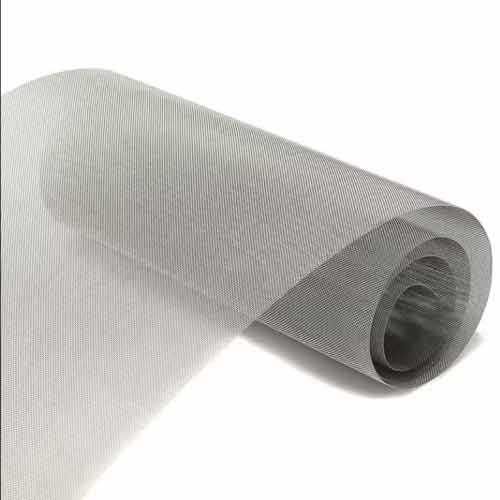
Effective window screen cleaning begins with removal: unlatch retainers or gently pry frames from tracks. Screens should never be cleaned in place, as water infiltration can damage sills or wall cavities. Lay flat on a grassy surface or bathtub to avoid bending. Use a soft-bristle brush and mild detergent (dish soap + warm water); never pressure wash, which distorts mesh or dislodges spline.
For aluminum or fiberglass mesh, rinse thoroughly from both sides. Stubborn grime may require soaking in vinegar-water solution (1:1) for 15 minutes. Inspect for tears—small holes can be patched with screen repair tape; large damage warrants replacement. Reinstall only when completely dry to prevent mold growth in the frame channel.
Seasonal timing matters: clean in spring before opening windows, and again in fall to remove summer buildup. In high-pollen or coastal areas, quarterly cleaning may be needed. Consider upgrading to pet-resistant or solar-control screens for long-term performance.
In conclusion, window screen cleaning is a small act with outsized impact. It reconnects homes to fresh air, daylight, and the outdoors—while quietly defending against allergens, bugs, and inefficiency.
Previous article:Keeps Bugs Out, Lets Fresh Air In – Aluminum Window Screen
Next article:Understanding Blind Screen Systems for Windows and Doors
Hot products
Mobile: +86 13253222720
Email:metalproducts2026@163.com
Email:2671275026@qq.com